Edmund BiniFounder-Operator · Product Architect · Platform Builder
Music & Origin
Before the platforms, there was Sizzahandz.
My product work did not come out of nowhere. It came out of years in DJ culture, record production,
remix culture, and real day-to-day knowledge of what working DJs, contributors, and digital music
customers actually needed. That history matters because it explains why the systems came later and why
they were built the way they were.
The throughline from Brooklyn DJ culture to digital systems.
This is the path I came through before I ever built software for the market: clubs, records, DJ tools,
remix culture, chart moments, and eventually the systems I built for the same world I had already lived in.
1990s
Brooklyn DJ roots and the early Sizzahandz identity
I came up in Brooklyn DJ culture first. Before products, platforms, or systems, there was live
performance, crowd reaction, edits, transitions, and the practical needs of working DJs.
1993
Crooklyn Clan forms
By 1993, Crooklyn Clan was taking shape in Brooklyn. That partnership with DJ Riz
became the start of a long run of records, party breaks, and DJ tools that traveled far beyond the
local scene.
1994–95
Party breaks, AV8, and DJ tools that traveled
Those early AV8 records were built like real DJ tools. They were made for performance, radio, clubs,
and fast utility in the booth, which is a big part of why workflow thinking showed up so naturally in
the products I built later.
1999
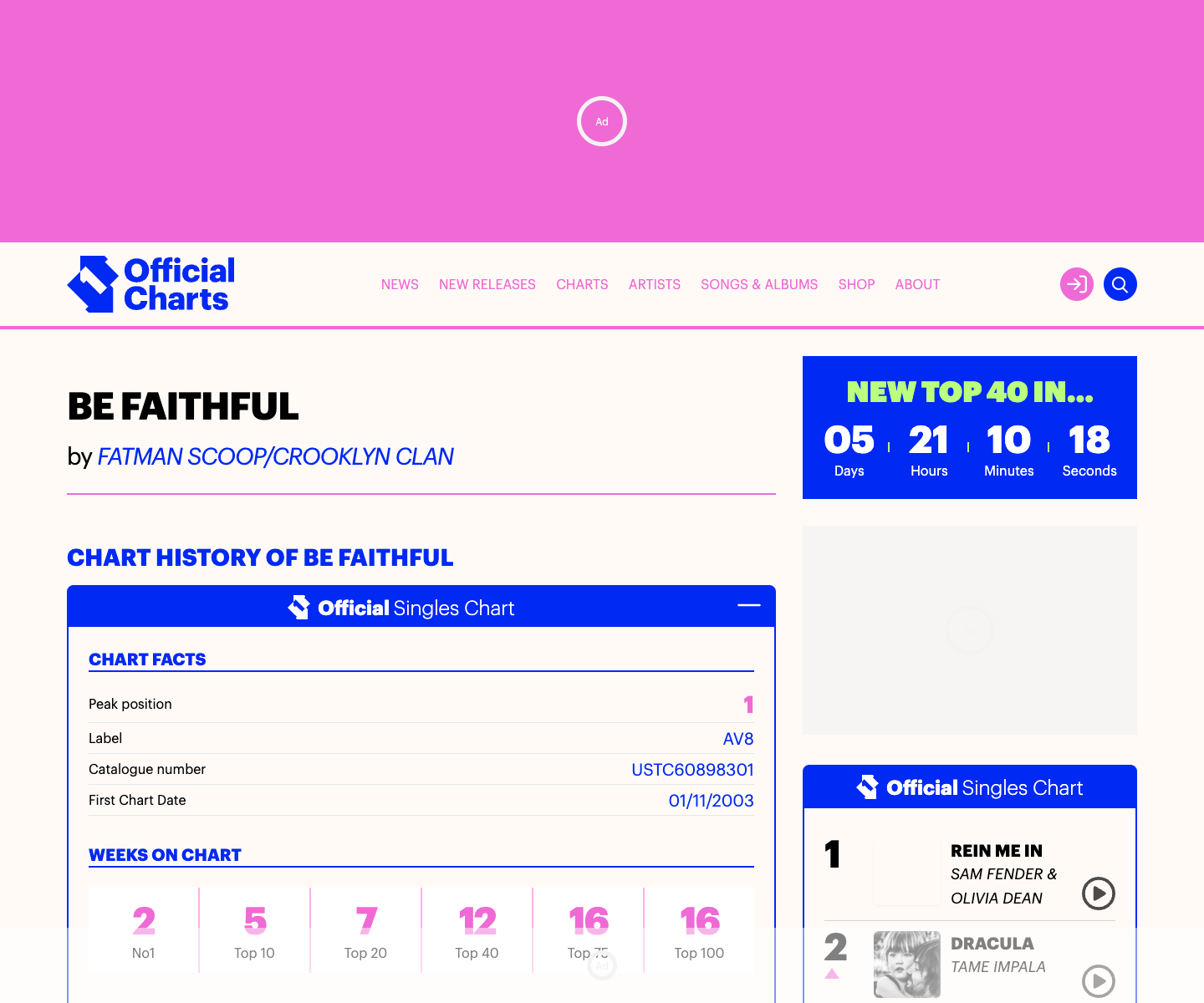
“Be Faithful” is released
“Be Faithful” became one of the defining markers of that era for me. The credits tie
me directly into the writing and production story, and the original release goes back to
March 2, 1999.
2003
“Be Faithful” becomes an international chart record
When “Be Faithful” went to No. 1 in the UK in late 2003, it turned a
club record into an international chart record. The certifications that followed made it clear that the
music had moved far beyond the scene it came out of.
2003–04
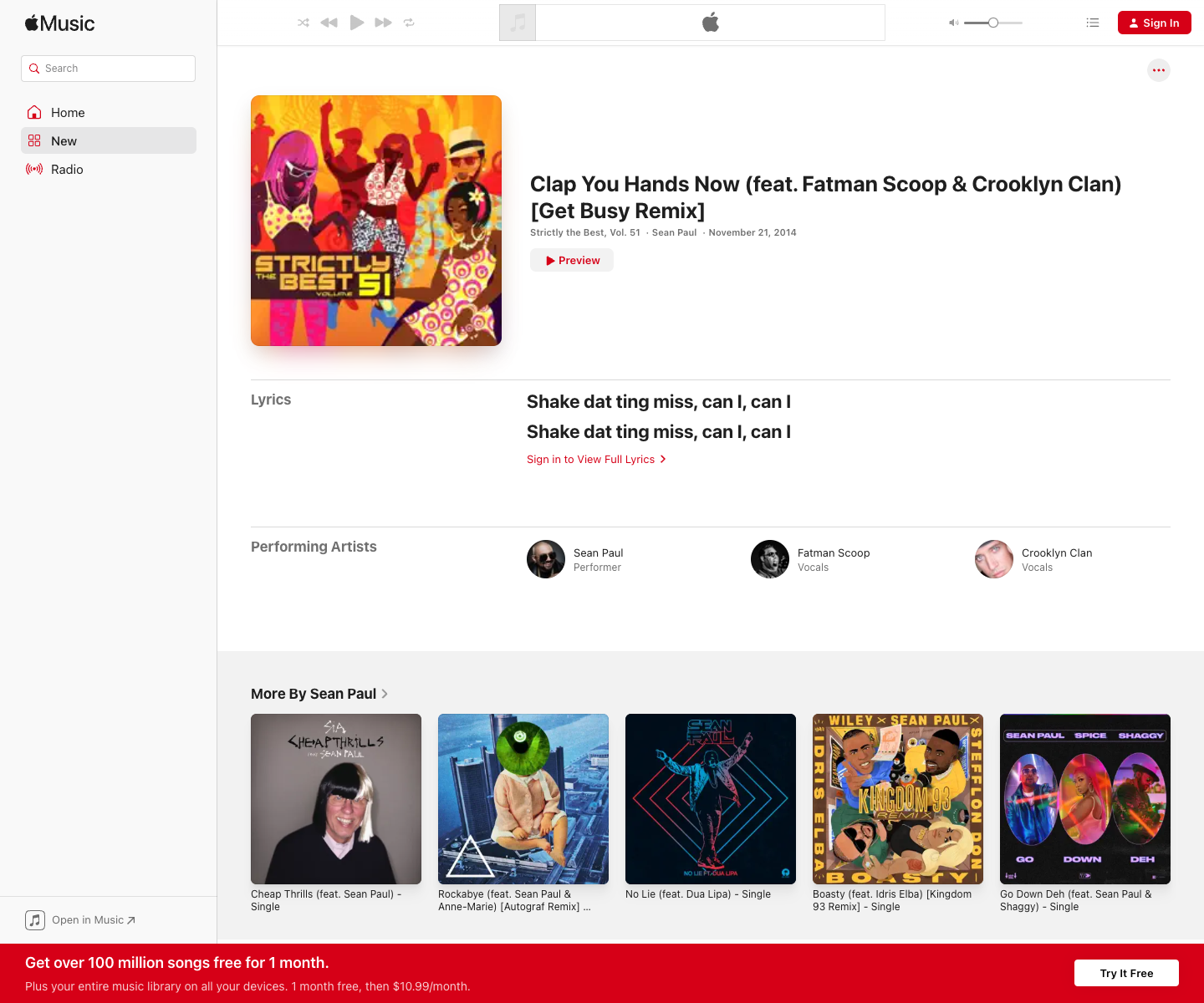
The Sean Paul “Get Busy” remix enters the orbit
The Sean Paul “Get Busy / Clap Your Hands Now” connection is part of that same run.
It shows how deep Crooklyn Clan was in the club and remix conversation of that period, not just in a
niche DJ lane.
2004
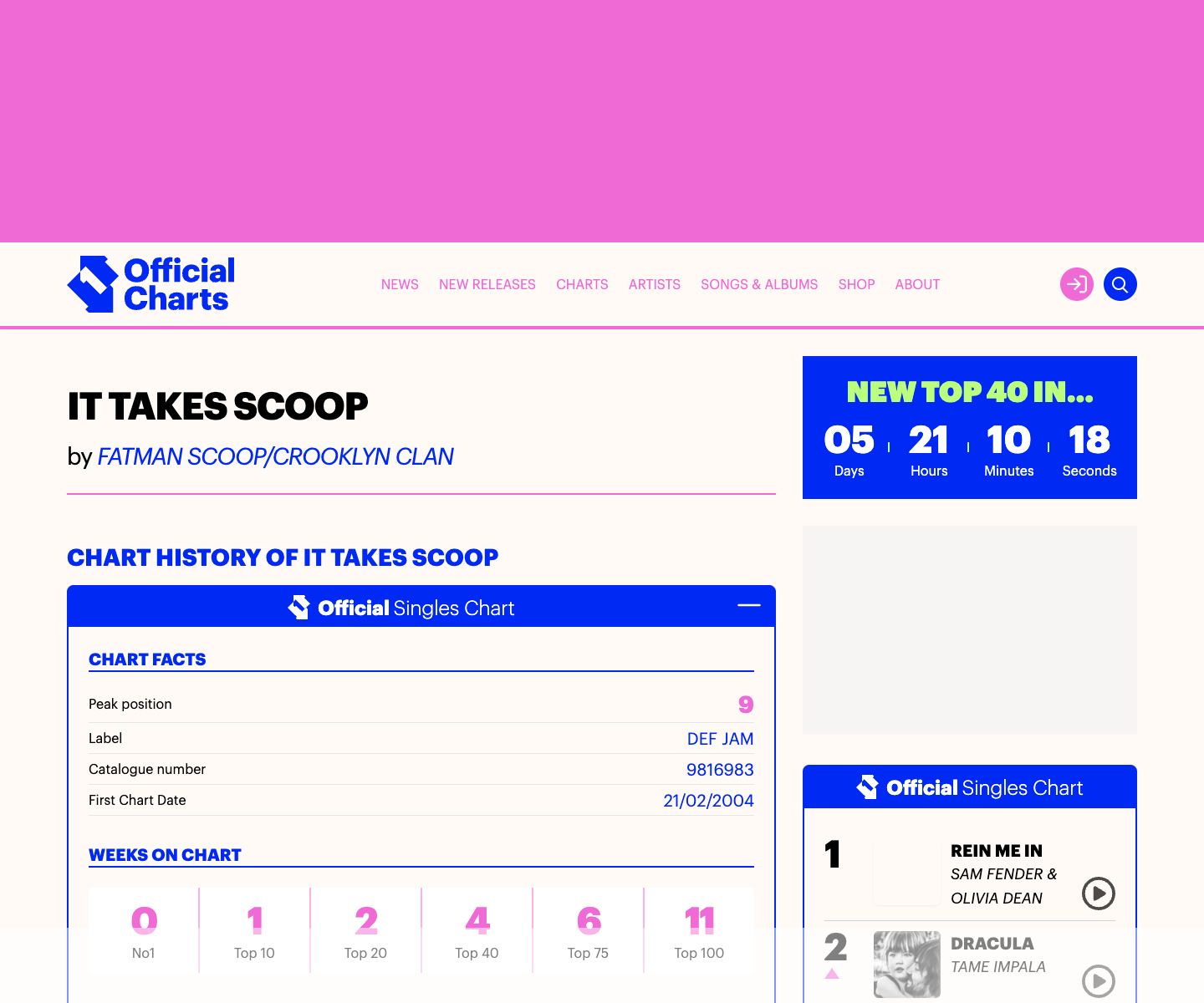
“It Takes Scoop” extends the chart run
“It Takes Scoop” reaching the UK Top 10 right after “Be Faithful” mattered because it
proved the run was real. It was not one lucky record. There was a second chart result right behind it.
2019
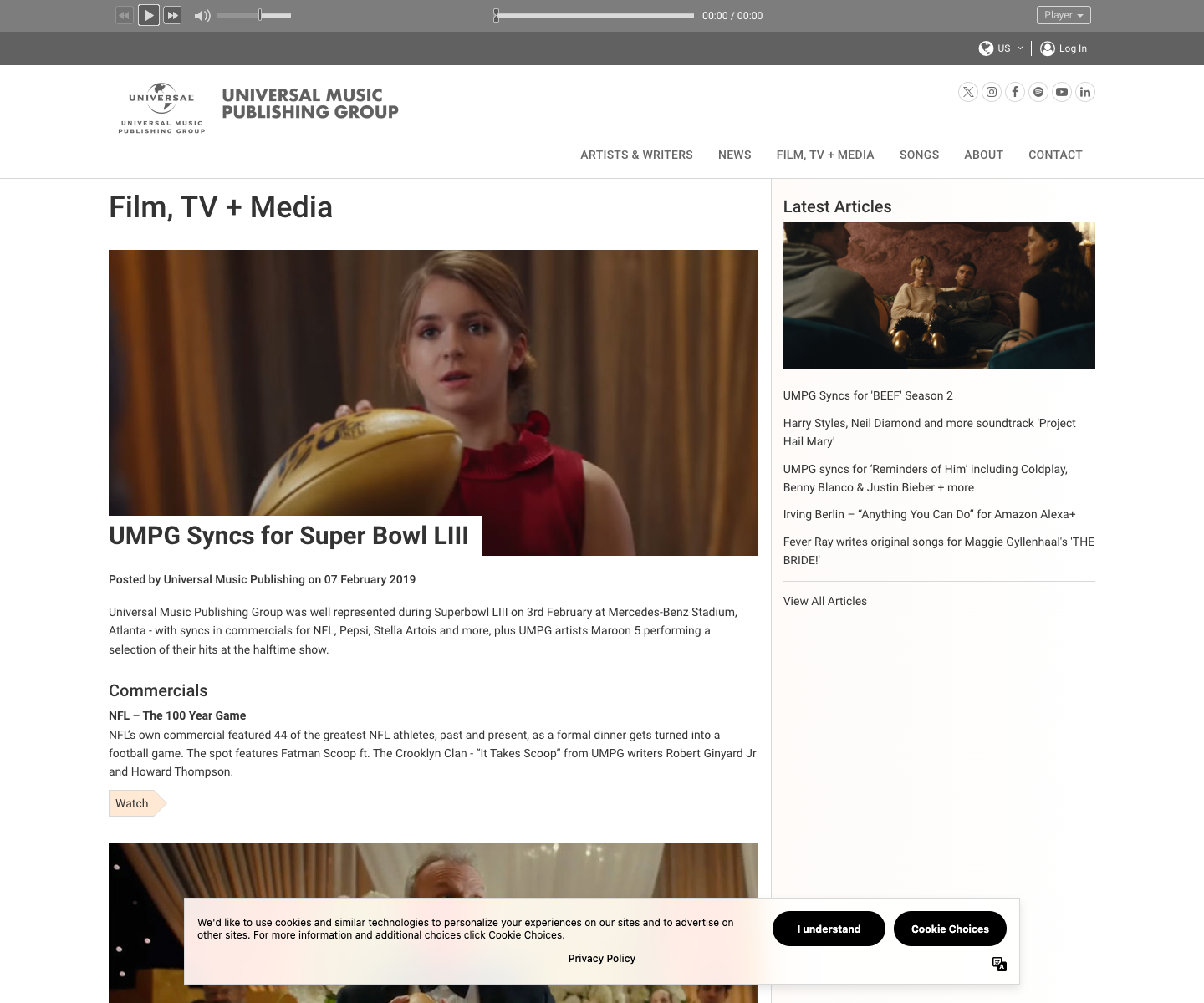
“It Takes Scoop” lands in a Super Bowl campaign
Seeing “It Takes Scoop” show up in the NFL’s “The 100-Year Game”
campaign was a strong reminder that the records had a long afterlife. Music from that run still had the
energy to land in one of the biggest commercial stages in the country.
2000s onward
From records to infrastructure
Eventually, the same market knowledge moved into digital products. I was no longer just making records
for the culture. I was building infrastructure for the same people: subscription platforms, secure
delivery, contributor workflows, and digital commerce tools made for working DJs and music customers.
Discography Reel
A fast visual pass through familiar records.
If you want the fast version, this reel moves through recognizable Crooklyn Clan records and party-break
output over time. It gives a feel for the sound, the range, and how familiar a lot of these records were
in the real world.
This is not a full discography. It is a tighter set of references that show the scale of the music, the
writing and production connection, and how long some of these records continued to travel.
Chart Record
Be Faithful
1999 release · 2003 UK No. 1 · UK Gold · Australia Platinum
This is one of the clearest markers of how far the music reached. The record broke through into the
mainstream, and the published credits tie me into the songwriting and production story behind it.
2004 · UK No. 9 · later featured in NFL’s “The 100-Year Game”
This matters because it shows the success was not a one-off. It was another real chart result, and years
later the same record still had enough life to land in a major NFL campaign.
This is a good reminder of how wide the remix footprint really was. The Crooklyn Clan lane was not only
about one or two records. It was part of a much bigger club and crossover moment.
I like this one because it shows the catalog still had reach long after the original run. A record from
that era ended up in one of the biggest commercial placements on television.
The music history is not separate from the operator story.
This part of my background is not here for nostalgia. It explains why the later products were built with so
much clarity around real users, real workflows, and real commercial logic.
Market knowledge came before software
The platforms were designed by someone who already understood the working life of DJs, editors,
contributors, and digital music buyers from the inside.
Workflow sensitivity was earned in the field
Edits, fast turnaround, performance utility, metadata, libraries, secure access, and delivery were not
abstract product ideas. They were concrete needs from a market Edmund had lived inside for years.
The same instincts scaled into platforms
Crooklyn Clan Vault, Mixinit, CastDJ, and related systems all make more sense when you understand the
musical backstory first: they were built by a participant, not by an outsider guessing at the use case.
Links
If you want to dig deeper, start here.
These are some of the links behind the story on this page: bios, interviews, chart records, published
credits, catalog pages, and sync references.
Confirms that “It Takes Scoop” was used in the NFL’s “The 100-Year Game” commercial during Super Bowl LIII.
This is part of the story behind the operator and product work.
The music history does not replace the platform story. It explains where the instincts came from. If you
want the systems side, go deeper into the product pages. If you want the faster hiring version, the site
also links straight into the hiring kit.